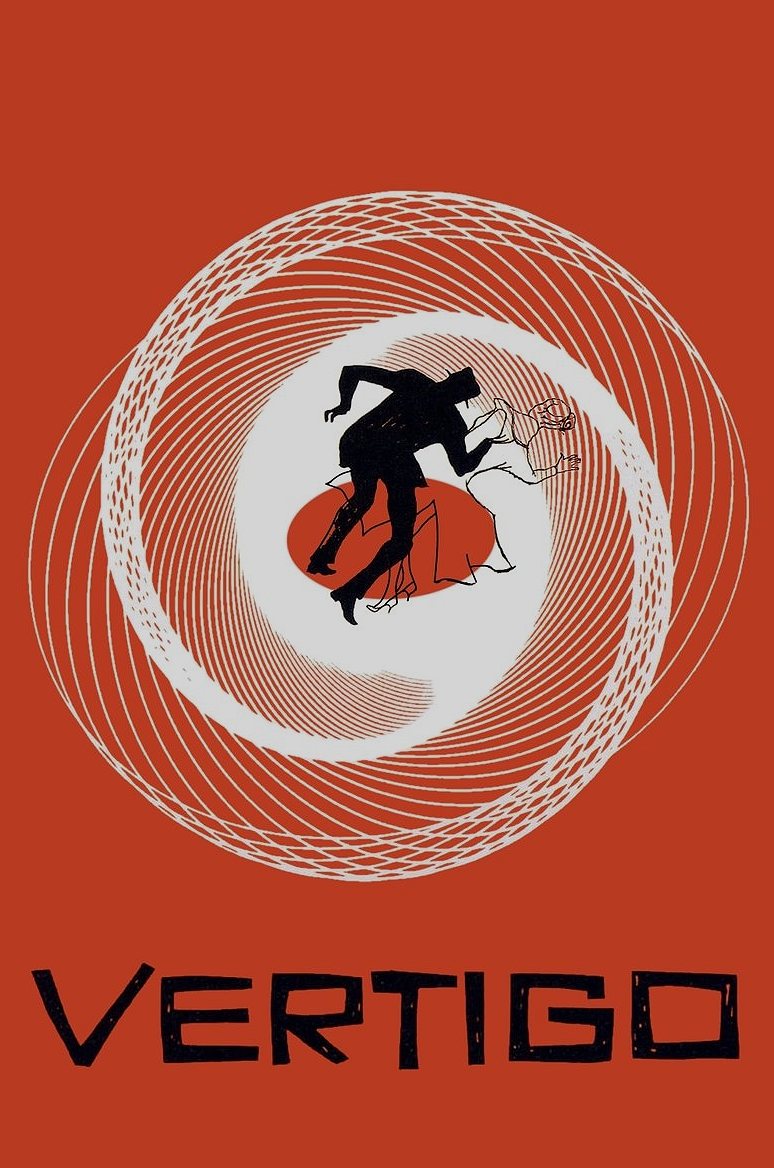

In 1984, Godzilla returned to the silver screen again under the original title ゴジラ, known internationally as The Return of Godzilla. This film is not a sequel to previous ones but a reboot that discards all events after the 1954 original and starts anew with a serious atmosphere reflecting Japan's Cold War anxieties.
Plot Summary (No Spoilers)
The story begins when a fishing boat is mysteriously attacked. The sole surviving crew member returns with a warning of something terrifying. Meanwhile, a young journalist named Goro Maki is investigating the incident, but the Japanese government tries to suppress the news to prevent panic. When Godzilla actually appears, Japan faces a massive catastrophe amid tensions between the U.S. and the Soviet Union, who are ready to use nuclear bombs on Japan to stop Godzilla.
The film unfolds at a gradual pace, blending Godzilla's action scenes with complex international politics, allowing viewers to see both the monster's horror and the difficult decisions of Japanese leaders.
Acting and Characters
Lead actor Keisuke Kobayashi as Prime Minister Seiki Mitamura excellently conveys the heavy burden of a leader dealing with an unprecedented crisis. Ken Tanaka plays journalist Goro Maki, who is determined to find the truth but faces political barriers. Yasuko Sawaguchi as Naoko Okumura, daughter of a Godzilla expert scientist, adds emotional depth. Yosuke Natsuki plays Professor Makoto Hayashida, who tries to stop Godzilla with science. All characters have clear roles and help drive the story realistically.
Direction, Visuals, and Music
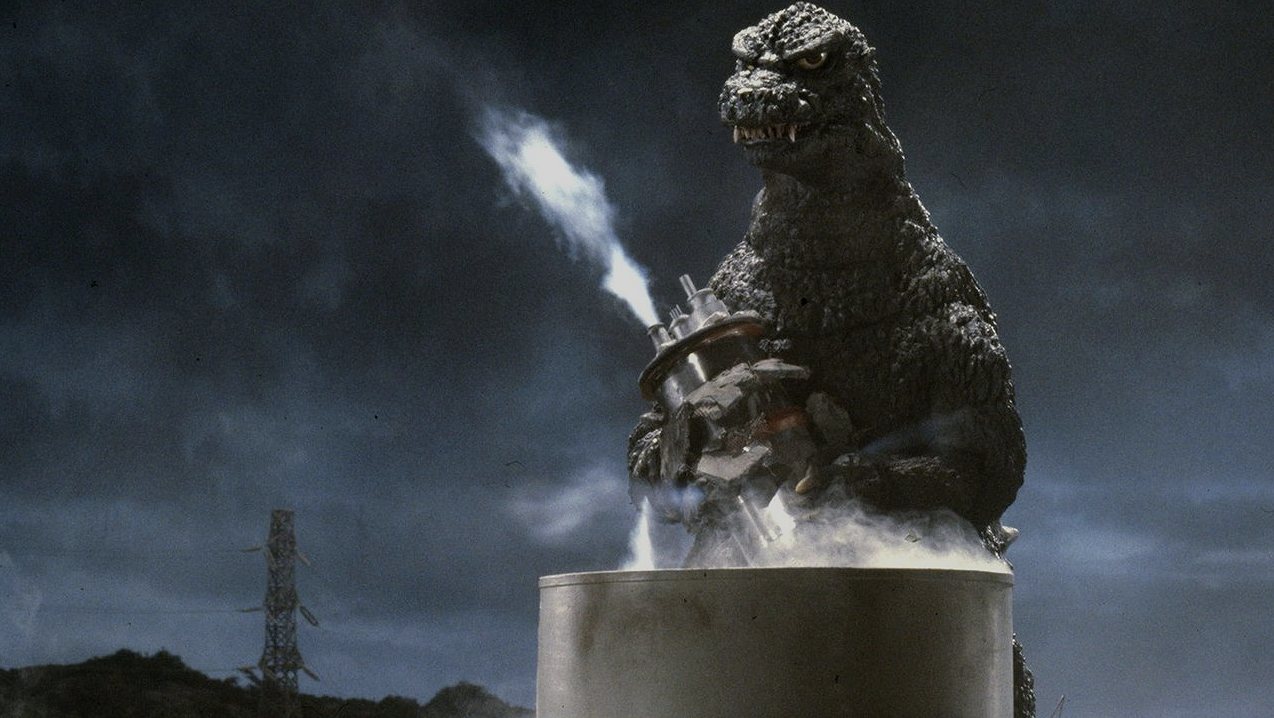
Director Koji Hashimoto skillfully creates a dark and tense atmosphere. Godzilla's design in this film looks more intimidating than before, with a larger size and fierce posture. Traditional special effects (suitmation and miniatures) still work well, though they look a bit dated, adding classic charm. The music by Reijiro Koroku, blending Akira Ifukube's original themes with new melodies, creates both grandeur and sorrow.
Editorial Analysis
As a film made in the 80s, The Return of Godzilla subtly reflects Japan's fear of nuclear war and political instability during the Cold War. The film's emphasis on politics over previous installments makes it more than a monster movie; it's a critique of society and international diplomacy. However, the pacing may be slow for modern audiences used to fast action, but for die-hard Godzilla fans, this is a must-see, as it marks the beginning of the Heisei era followed by many sequels.
Verdict
The Return of Godzilla is a film suitable for true Godzilla fans and those interested in monster movies with political dimensions. While it's not the most action-packed installment, its realism and tension make it a worthwhile watch.
Screenshots


👍 Pros
- +Godzilla's design is intimidating and scary
- +Intense plot with international politics
- +Powerful and classic music
👎 Cons
- −Pacing is somewhat slow in places
- −Special effects may look dated to modern viewers
Top Cast




FAQ
Currently, it can be streamed on some platforms or purchased on Blu-ray/DVD from online stores.
It is a reboot that discards events after the 1954 original and starts fresh, unrelated to other subsequent films.
In the story, Godzilla is awakened by a volcanic eruption, but the real cause is human disturbance that forces it to surface.